






Classic Monte Cristo Sandwich with Melted Gouda and Golden Egg Coating
By Isabella Quinn
Prep
10 min
Cook
10 min
Total
20 min
Servings
2
Level
Easy
To reduce preparation time, shred cheese and make two Monte Cristo sandwiches ahead of time for an alternate lunch or dinner. Press and cook the sandwiches before serving. Ingredients for Monte Cristo sandwiches include dark bread, shredded gouda cheese, ham, and a thin paprika egg coating. A slice of bread is added inside the sandwich to provide structure.
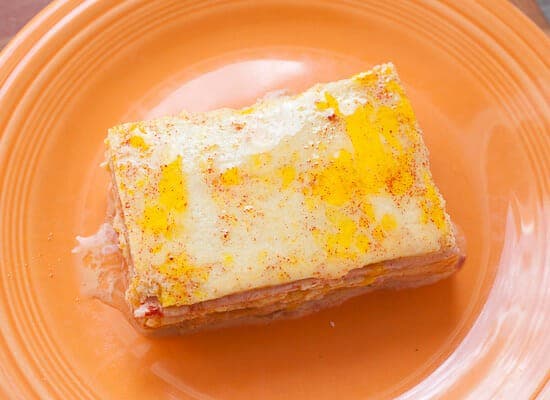
Three slices of white sandwich bread are used to make the sandwich. Two slices of cheese and ham are placed on the outer layers of the sandwich. Mayonnaise coats both sides of the middle slice of bread. The ends of the sandwich are trimmed, and the sandwich is pressed to hold the three slices together. The sandwich is coated with an egg and milk mixture seasoned with paprika, salt, and pepper. The coating helps the sandwich develop a crisp browned exterior when cooked in a buttered pan.
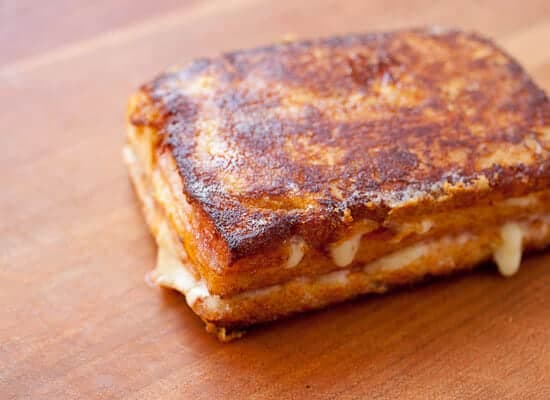
Cook in melted butter on medium heat, turning every three to four minutes and standing the sandwich up once or twice. The sandwich is cooked when the bread is browned and the cheese is melted. One common mistake is failing to press the sandwich before cooking, which can cause the unbuilt sandwich to disintegrate and soak up more egg mixture when dipped in eggs.
Cut sandwiches in half and serve immediately, with melted cheese and crispy egg coating. To reheat other slices at later times, preassemble the other sandwich ingredients and reheat them in a pan immediately before serving; the recipe recommends serving the sandwiches immediately.
Why we keep this one around
- The two-sandwich output reduces preparation costs because the same procedures can be used to make two identical sandwiches with the same toppings.
- Stacking sandwiches before cooking lets you prepare bread, cheese, ham, and egg combinations for sandwiches and fry each portion in butter.
- Pressed sandwiches hold up better when cooked.
- The mayonnaise sandwiched in the middle between the other two pieces of bread acts as a binder to keep the ham and cheese together in the double sandwich.
- Sandwiches are made as complete sandwiches, not halves, and can be easily divided to serve single portions by cutting a complete sandwich in half just before serving.
- The skillet method is useful for planned meals because both the longer and shorter sides of a tortilla can cook in the same skillet with melted cheese.
- Eating only two servings of bread keeps it from getting stale.
- Eating immediately, as suggested in the article, helps keep the dark crust on bread.
Ingredients
- •3 slices white sandwich bread
- •¼ lb ham or turkey
- •½ cup gouda cheese (grated; smoked gouda may be substituted)
- •2 tsp mayonnaise (optional)
- •1 large egg
- •2 tbsp milk
- •1 tsp paprika
- •salt (pinch)
- •pepper (pinch)
- •2 tbsp butter (for cooking)
Instructions
- 1
Lay out the three slices of white sandwich bread. Split the grated cheese between two slices of bread, then top the cheese with sliced ham.
- 2
Lightly spread mayonnaise on both sides of the third slice of bread. Place it on one ham-and-cheese slice, then flip the other ham-and-cheese slice on top so the mayonnaise slice is in the middle and the cheese is on the outside.
- 3
Slice the ends off the sandwich and press it with a flat plate or cutting board for a few seconds to compact the layers.
- 4
Whisk together the egg, milk, paprika, and a pinch of salt and pepper.
- 5
Heat the butter in a small skillet over medium heat.
- 6
When the butter is melted, dredge the pressed sandwich in the egg mixture, coating all sides. Immediately move the sandwich to the skillet.
- 7
Cook for 3 to 4 minutes per side until golden brown. Stand the sandwich on its ends and cook for about 15 seconds per side.
- 8
Cook until the sandwich is dark golden brown and the cheese is completely melted. Cut in half and serve immediately.
FAQ
Nutrition (per serving)
620
Calories
34g
Protein
44g
Fat
21g
Carbs
Reviews
Pin this recipe
Tap an image to save it to Pinterest.