Artisan Pizza Dough With Crispy Bottom and Blistered Bubbles
By Olivia Hayes
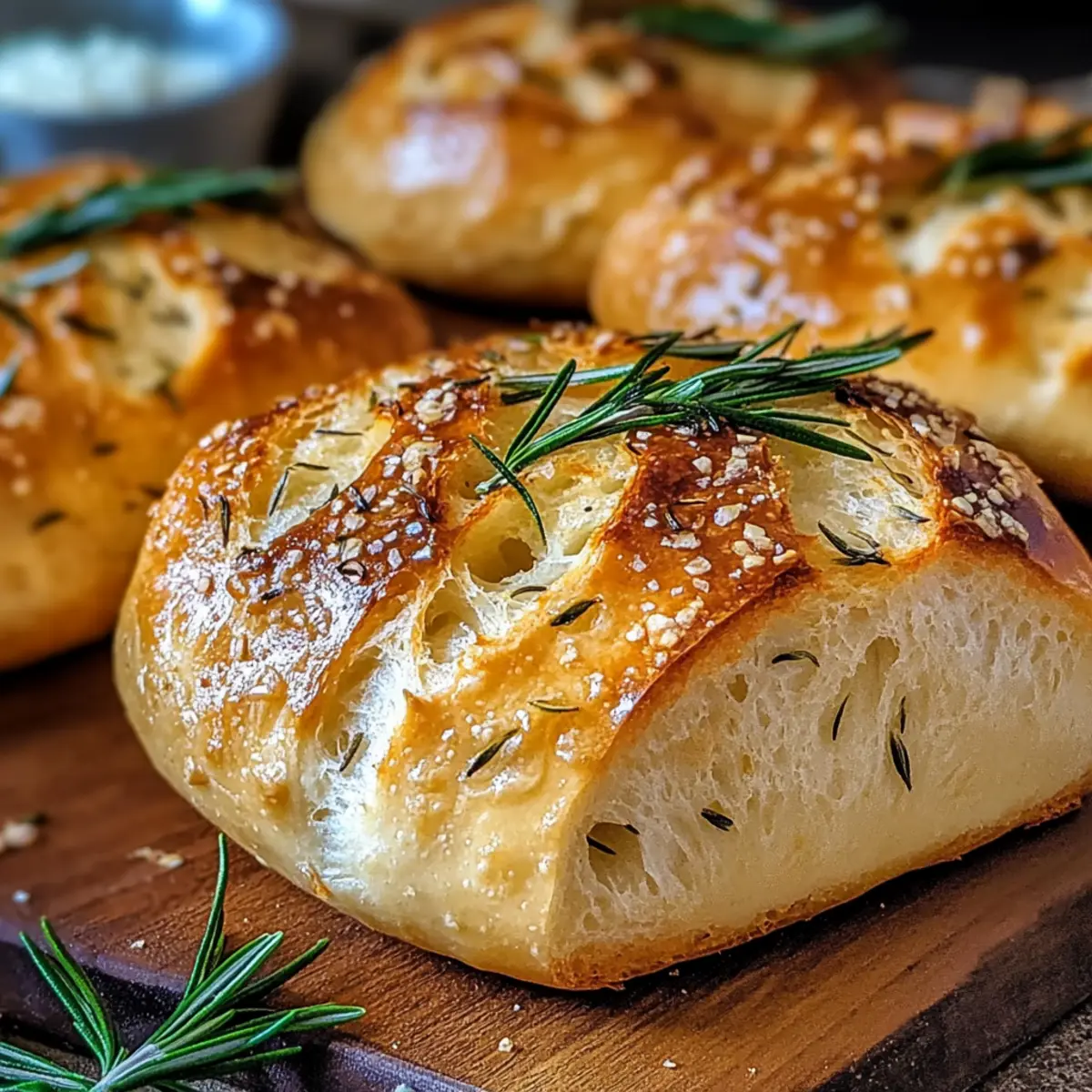
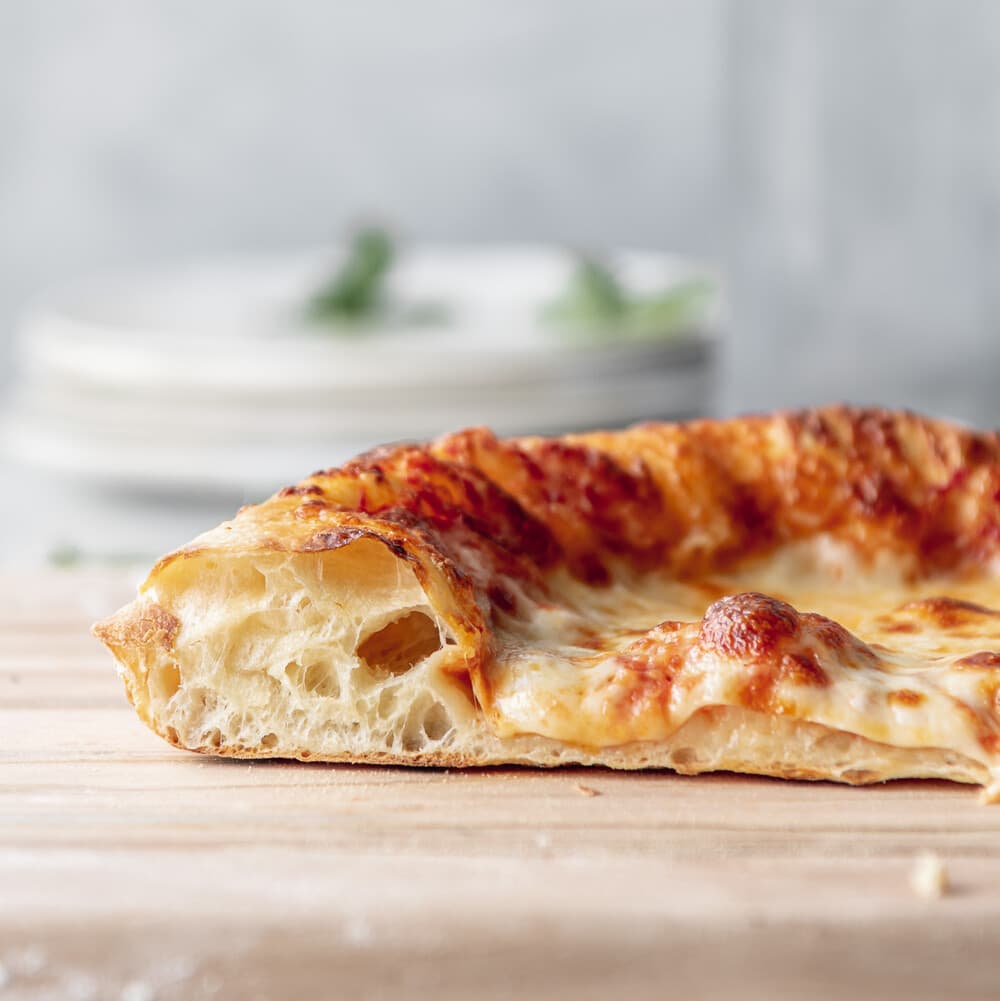
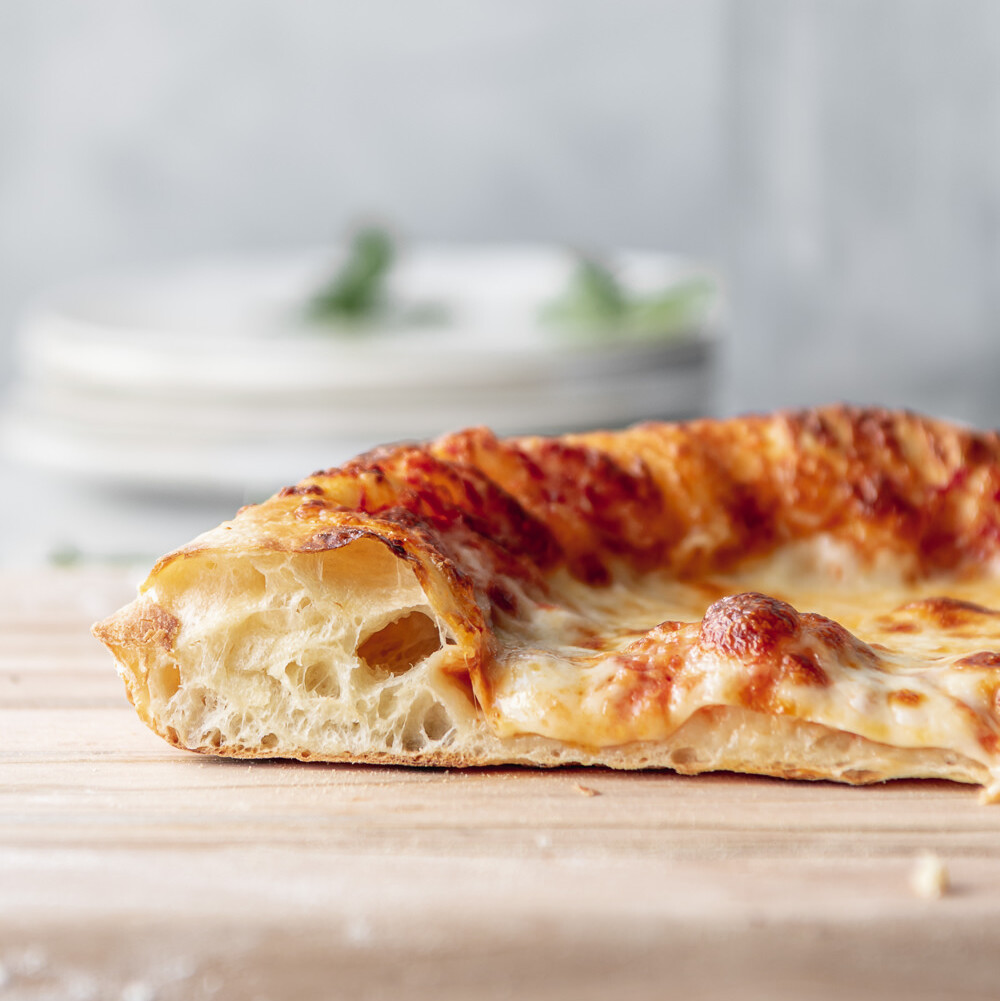
A short rest and a single fold give this wet dough enough strength to trap gas without making it dense. This artisan pizza dough bakes into a billowy, chewy crust with blistered bubbles, a crackly edge, and a crisp bottom.
The formula combines all-purpose flour, warm water, active dry yeast, and fine salt. Most of the water is mixed with the flour first, then the dissolved yeast and salt are worked in by pinching and folding. At roughly 75% hydration, the dough stays slack enough for an open crumb while the fold builds structure without traditional kneading.
Expect the dough to look shaggy after the first mixing, then tighten into a smoother ball after the later fold. Let the rise, rather than only the clock, guide the bulk fermentation: it should double in volume. The most common problem is fighting the sticky dough with dry flour; wet hands and a lightly greased container limit sticking while preserving its hydration.
Shape each half gently so the dough holds a round ball without squeezing out the built-up gas. For pizza, preheat a steel, stone, or inverted baking sheet at 500°F or as high as the oven allows for at least 45 minutes. Refrigerated dough can be shaped straight from the fridge.
Why you'll love this recipe
- A brief flour-and-water rest starts hydration before yeast and salt are added, helping the finished crust stay chewy rather than tight.
- High hydration encourages large gas bubbles and a creamy crumb, while the dough still has enough structure to shape and transfer.
- One deliberate fold strengthens the dough without traditional kneading, so it develops a rounder shape while retaining the air built during fermentation.
- A long room-temperature rise develops flavor and strength because the small amount of yeast works gradually through the dough.
- Preheating a steel, stone, or inverted baking sheet stores intense heat, which helps create the crisp bottom and charred spots.
- Cold fermentation fits pizza planning because shaped dough balls can be refrigerated for up to two days and shaped straight from the fridge.
Ingredients
- •500 g all-purpose flour (3 ¾ cups plus 2 tbsp)
- •375 g warm water (divided; 1 ½ cups plus 2 tbsp)
- •1 g active dry yeast (¼ tsp)
- •10 g fine salt (1 ½ tsp)
Instructions
- 1
Mix the flour and all but 1 tablespoon of the water in a large bowl until just combined. Cover and set aside to rest for 20 minutes.
- 2
Sprinkle the yeast over the remaining warm water and set aside to dissolve.
- 3
Sprinkle the salt over the surface of the dough.
- 4
Stir the yeast mixture and pour it over the dough.
- 5
Lightly wet your hand, reach under the dough, and stretch a section over the top. Repeat until the center is covered.
- 6
Using your thumb and fingers as pincers, squeeze and pinch off 5 to 6 chunks of dough.
- 7
Wet your hand to minimize sticking, then fold the dough over itself a few times.
- 8
Repeat pinching and folding until the yeast and salt are fully mixed and a shaggy dough forms.
- 9
Cover the bowl and let the dough rest for about 1 hour.
- 10
Lightly wet your hand, reach underneath the dough, stretch up a section, and fold it over the center. Rotate the bowl and repeat 4 to 5 more times, or until the dough tightens into a ball.
- 11
Invert the entire dough ball into a clean, lightly greased bowl so the seam is down and the top is smooth.
- 12
Cover and let rise until doubled in volume, 5 to 6 hours.
- 13
Turn the dough onto a floured work surface and cut it in half.
- 14
Working with one piece at a time, stretch out one quarter of the dough until you feel resistance, then fold it back over the center. Repeat with the remaining three edges until the center is covered and a loose ball forms.
- 15
Turn the ball seam-side down on an unfloured area. Cup your hands around it and gently pull it toward you, dragging the bottom along the counter to create tension.
- 16
Rotate the ball 90 degrees and drag it a few inches toward you again. Repeat rotating and gently dragging until the top tightens and the ball is round.
- 17
Transfer the dough ball to a greased plate and repeat with the remaining dough.
- 18
Lightly oil the tops, cover, and let rest at room temperature for about 1 hour. Preheat the oven during this time.
- 19
If not using right away, cover tightly with plastic wrap and refrigerate for up to 2 days.
- 20
To make pizza, place a pizza steel, stone, or inverted baking sheet on the middle oven rack and preheat to 500°F, or as high as the oven will go. Heat for at least 45 minutes.
- 21
Generously flour a pizza peel and set aside. Alternatively, lightly grease a cast iron pan with olive oil.
- 22
Place one dough ball on a floured surface and flatten the middle into a large disk, leaving a thick 1-inch lip.
- 23
Pick up the disk and, holding the thick edge, use gravity to gently shape the dough into a 12-inch circle.
- 24
Lay the dough on the prepared pizza peel and adjust the shape into a circle.
FAQ
Reviews
Pin this recipe
Tap an image to save it to Pinterest.